Earlier this summer, a Burlington Sister City committee was planning a visit to ville jumelle Thiès-Est, Senegal, in mid-August—andannounced that two seats would be available for the AFLCR. AF member Linda Quinet and I were lucky enough to hear about it and signed on right away. I was dying to go—for some time I’d been encouraging the AF to reach out to global Francophony, and here was my chance to do so myself. Meanwhile Linda is a seasoned Africa traveler. AFLCR instructor Eric Agnero, as a member of the Sister City Committee (and a West Africa native), would be part of the delegation, so the AFLCR had a total of three representatives. All of us, I think, were eager to help build the Sister City connection but also to explore the ways in which French culture and control persist—or not—in Senegal today.
After a flurry of vaccinations and prescriptions and health advisories at the UVM Health Travel Clinic, we joined the other delegation members and boarded the flight to Dakar. The others were members of the Sister City Committee members: Ali Dieng, Wendy Rice, Jim Holway, and Vermont National Guard Major Gene Enriquez. Upon our arrival, Thies-Est municipal officials met us at the airport—we would spend most of our daytimes in meetings with them. During those meetings, the Sister City Committee memers worked out practical means of cooperation between the two cities (to be reported elsewhere).
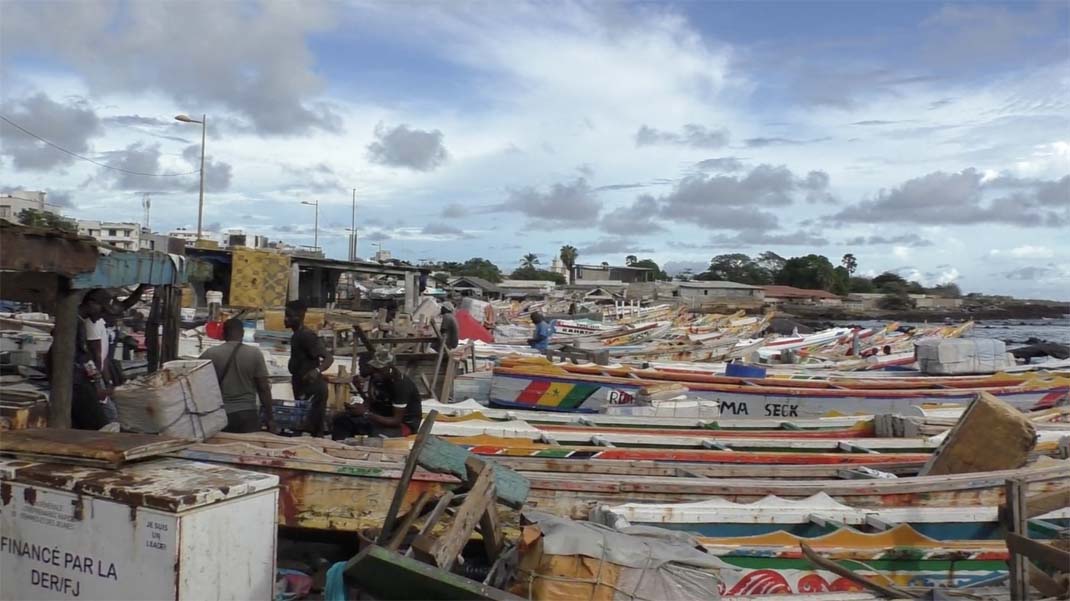
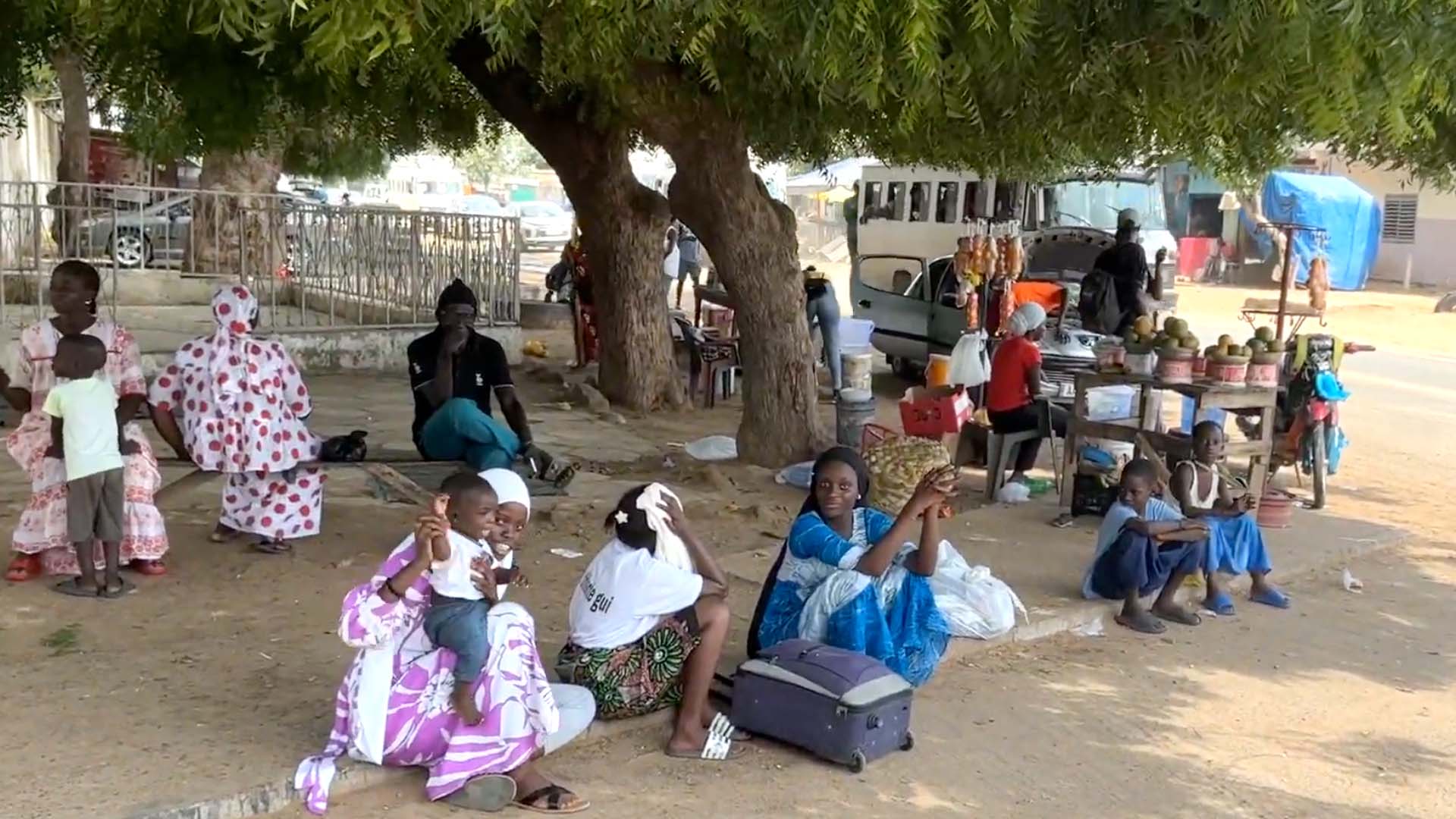
Meanwhile we AF folks fell easily into the role of documentarians. We kept our cameras running for the record, recording the proceedings, but we also made sure to catch as much video footage as we could outside in the streets. Our idea was to create videos afterward, to share our experience with Burlingtonians, so they too could get to know their African Sister City.
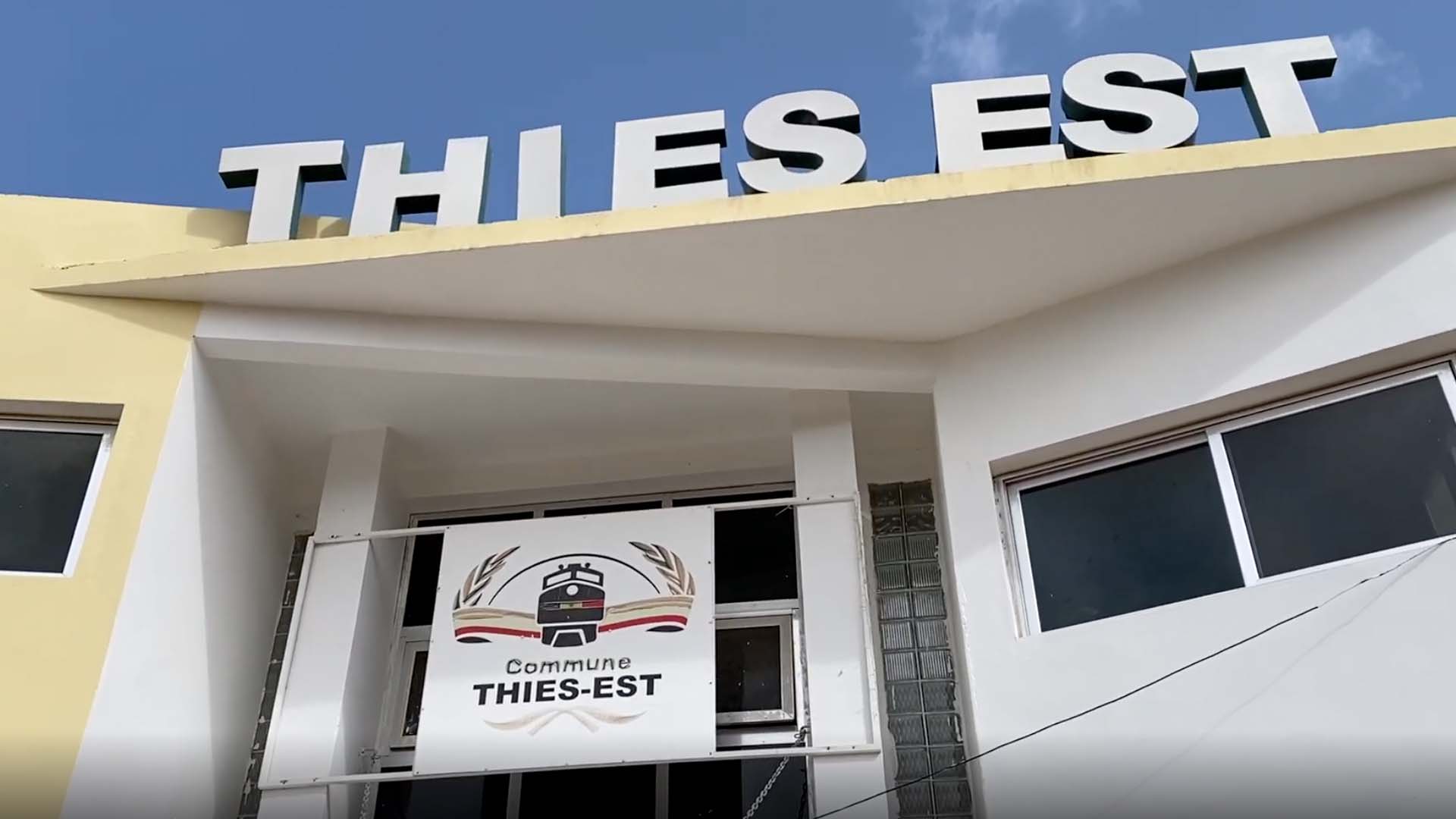
Representing the AF as we did, we were conscious of that French was being spoken around us. French remains Senegal's official
language (as enshrined in the republic’s 2001 constitution), but among the population as a whole, only 15 to 20 percent speak and
understand French. Most speak Wolof as their first or second language.
 I was acutely conscious of France’s long history in West Africa. French colonization of Senegal dates back to the 17th century, when
merchants set up trading posts on the African coast that served as part of the notorious Triangular Trade. Under that notorious system,
Europe, West Africa, and the Americas circulated slaves, sugar, molasses, cotton, rum, and manufactured goods, creating enormous fortunes
for a few but condemning millions of enslaved people to horrific lives of toil and misery.
I was acutely conscious of France’s long history in West Africa. French colonization of Senegal dates back to the 17th century, when
merchants set up trading posts on the African coast that served as part of the notorious Triangular Trade. Under that notorious system,
Europe, West Africa, and the Americas circulated slaves, sugar, molasses, cotton, rum, and manufactured goods, creating enormous fortunes
for a few but condemning millions of enslaved people to horrific lives of toil and misery.
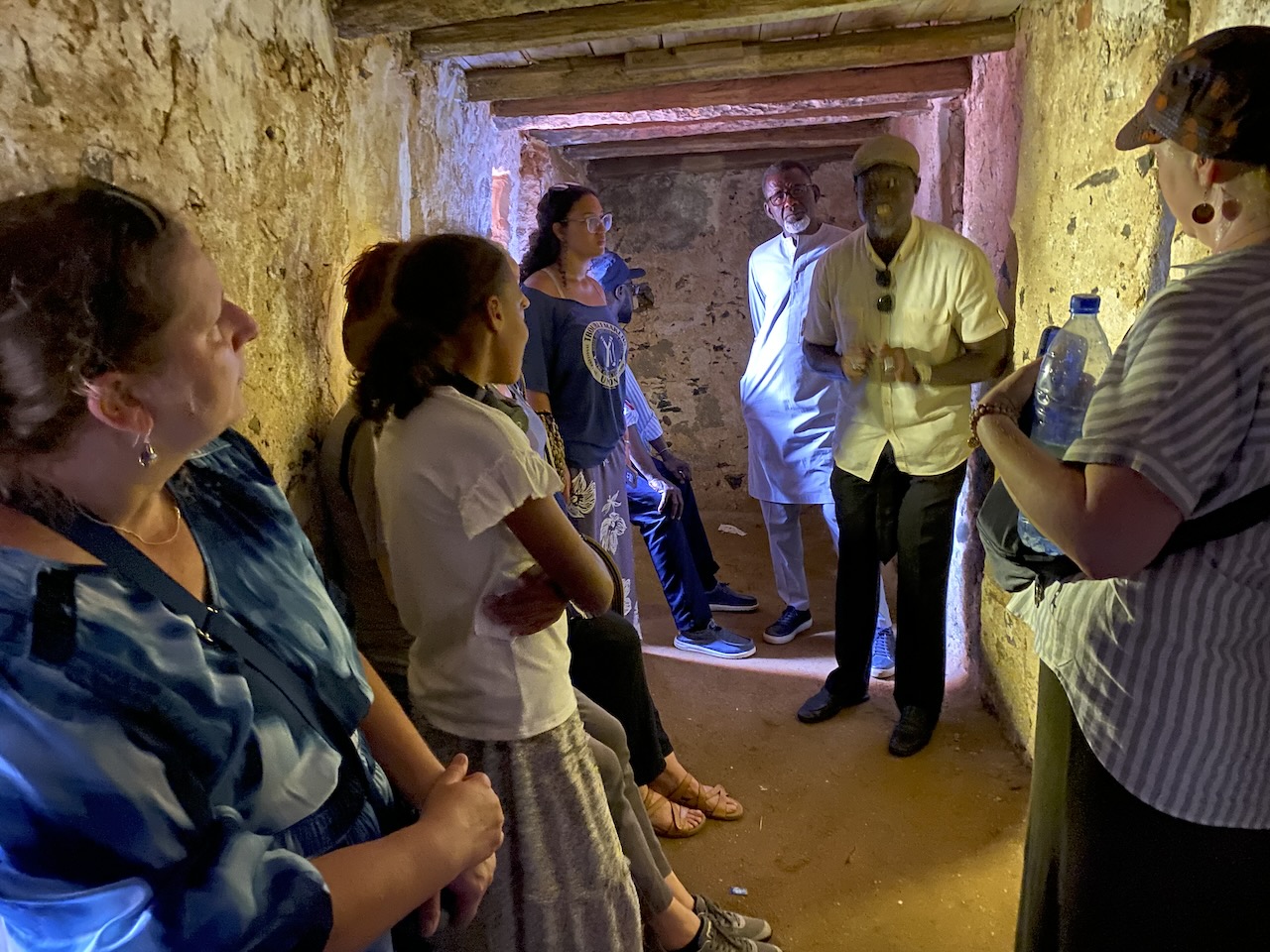
During the centuries-long atrocity that was the Atlantic slave trade, a transit point was Gorée Island, just off the coast from Dakar, which France controlled from 1817 to 1960. On our delegation’s first full day in Senegal, we visited the island, which has been preserved for historical memory. We observed dark, dirt-floor rooms with dank stone walls that served as holding pens where enslaved people were detained before being sent off to the terrifying fate that awaited them and their descendants for over 300 years in the Americas. Seeing this place where such evil was manifested provided context for the remainder of our visit.
France imposed its language, laws, and administrative structures on the colony, leading to a significant transfusion of French culture into Senegalese life. French was the language of instruction in the education system, which attempted to inculcate the notion that French culture and lifeways were superior to local ones. Even today the education system remains part of the French colonial legacy, as those who can access education must adopt French, at the expense of their native languages. Those who cannot do so are at a disadvantage, in a population where Wolof is the most spoken yet unofficial language.
The oldest colonial towns in French-controlled West Africa were the four Senegalese communes of Saint-Louis, Dakar, Gorée, and Rufisque. During the colonial era, a few Africans from the four communes were able to pursue higher education and could “rise” to be termed Évolué (Evolved) and were nominally granted full French citizenship, including the vote. They became a privileged local caste. But from 1881 until the 1940s, the indigénat, a set of laws and regulations, created inferior legal status for the vast proportion of colonized natives.
In 1854 Napoleon III granted the request of local merchants for a greater French military presence and appointed a military governor. Around
this time, French troops made greater incursions inland, occupying the lands of native peoples, as the French exploited internal
conflicts in the region. By 1865, French power was paramount over most of the territory of modern Senegal, as peanut cultivation and
export generated great economic benefits for the colonizers.
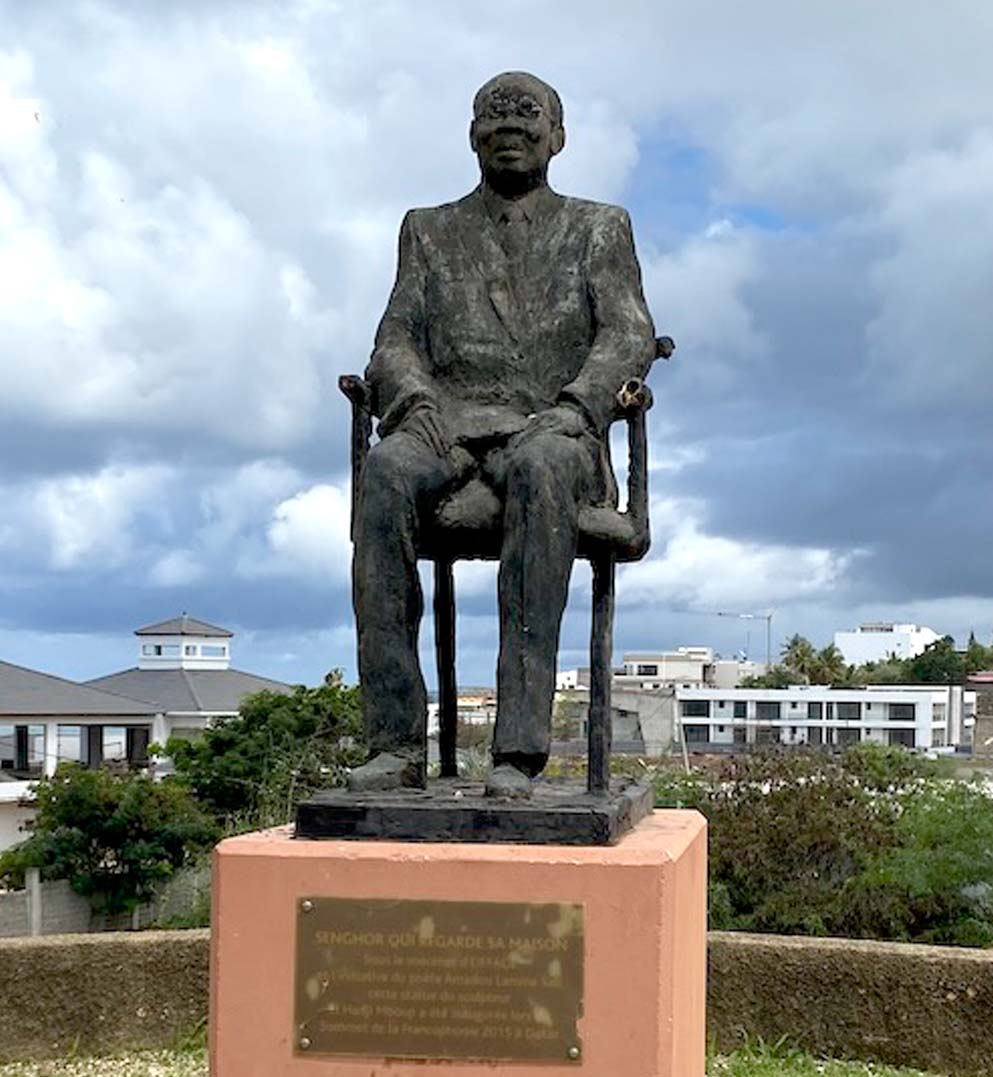 When Senegal achieved independence from France in 1960, the noted Senegalese intellectual and politician Léopold Senghor became the
republic’s first president. He declines to take the step of rejecting all things French; rather, educated in France, he promoted
French-Senegalese cooperation and actively supported Senegal’s place within the world of Francophony, believing that French was “a cultural
language.”
When Senegal achieved independence from France in 1960, the noted Senegalese intellectual and politician Léopold Senghor became the
republic’s first president. He declines to take the step of rejecting all things French; rather, educated in France, he promoted
French-Senegalese cooperation and actively supported Senegal’s place within the world of Francophony, believing that French was “a cultural
language.”
As a poet and author, Senghor originated Négritude, a literary movement of the 1930s to ’50s that celebrated the richness of African heritage. He promoted the publishing of African works of art and literature in the rest of the world and celebrated their value. In 1966, Senghor initiated the World Festival of Black Arts, held in Dakar, which again aimed to embrace African culture. The monthlong festival featured music, dance, theater, literature, art and architecture. Such celebrations of culture were symbolic in the decolonization movement in emphasizing black identity.
Especially in Dakar, I noticed Senghor’s pervasive influence. I came to understand that he had lifted up the arts in Senegal in manifold ways, even, amassing the first national art collection, and initiating the Museum of Black Civilizations, which we visited. As a result, Dakar is now a center of African art. Since 1990 it has been home to Dak’art, a biennial exhibition of contemporary African art that is receiving growing international attention.
As I learned from Eric, France continues to dominate Senegal in the realm of economics, symbolized by the fact that the colonial-era CFA franc remains the Senegalese currency. French control of the currency ensures that French companies will enjoy the currency stability that serves their interests.
France remains the largest foreign investor in Senegal, supported by a network of French multinational corporations and government-backed trade agreements. France has invested billions of euros in Senegal, solidifying its dominance.. French companies retain strategic control of key industries like telecommunications (Orange), oil (Total), and transportation (Eiffrage). Infrastructure projects favor French companies, which often gain control of them.
Senegal has sought to reduce its economic dependence on France by building ties with different partners, but French domination of the Senegalese economy continues.
Late in our journey, we learned that a movement for political renewal has recently taken hold in Senegal. I’ll write about that separately.
I’m enormously grateful to the Sister City Committee for enabling Alliance Française participation in this journey. At this writing the documentation project continues—we’ll be publishing more articles and videos over the next weeks and months. Meanwhile I hope we look forward to future journeys exploring global French culture, as former colonies make glorious contributions to global civilization.
Photos by Eric Agnero, Janet Biehl. Cover photo by Wendy Rice.
Leave a Comment